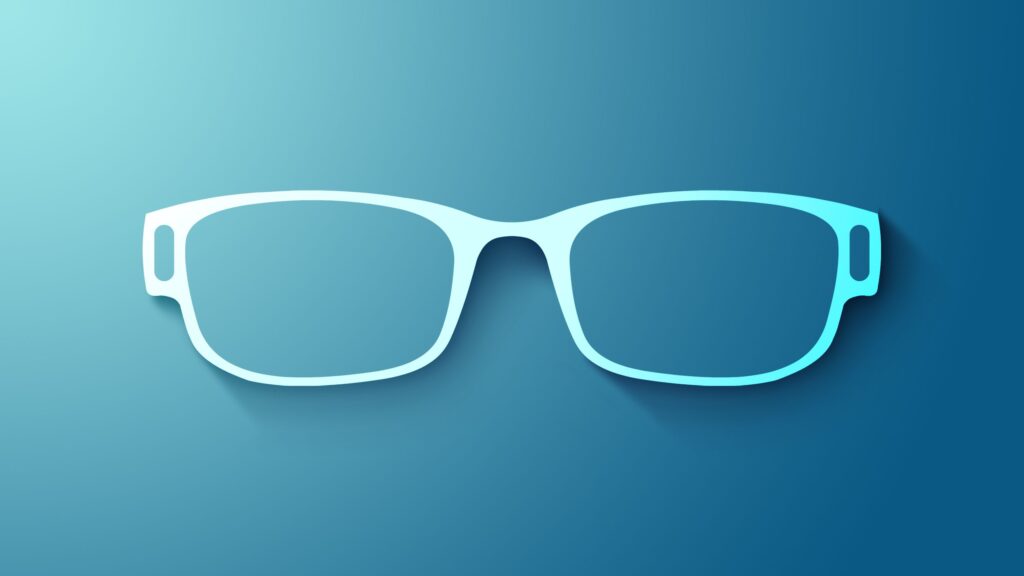
Apple plans to unveil its first smart glasses at WWDC in June 2027 and begin shipping them later this year, Apple said. BloombergIt’s Mark Gurman.
In the latest edition of his “Power On” newsletter, Gurman shared new details on the glasses’ design, charging system and Siri features.
Current prototypes of the glasses, internally codenamed “N50,” are reportedly slightly thinner than Meta’s second-generation Ray-Bans. Some test units feature oval camera openings integrated into the frame with no protruding housings. A front light indicates use or charging, while Apple is experimenting with additional privacy features.
Apple is apparently developing multiple styles and colors, with particular attention to materials, sensors and audio quality. Employees described the sound as “industry-leading,” with the glasses supporting music playback, FaceTime calls, and audio.
Testers can also charge the prototype glasses while wearing them. A flat, three-pin magnetic connector, “about the size of a Tic Tac,” connects near the end of the left temple arm. Gurman said it’s unclear whether Apple will use this charging system in shipping the product.
The first model will not show augmented reality images. The wearer will interact via Siri, which will use the cameras to answer questions about the surrounding environment.
Planned uses include identifying buildings, suggesting meals based on ingredients in a refrigerator, providing directions, and translating signs and conversations. Apple also plans to support calls, messages, iPhone notifications, calendars, standard and visual reminders, music controls and smart home controls.
To support glasses, developers will need to allow Siri to control specific features in their iPhone apps. Apple expects activities such as booking restaurant tables, requesting rides, ordering coffee, shopping and purchasing movie tickets to work on the device.
Developers won’t have to create separate apps for glasses. Their software will run on a paired iPhone, with the two devices working together to fulfill requests. Current plans require a recent iPhone model, without Android support. The paired phone will make up for the glasses’ limited processing power and memory.
Wi-Fi will allow some functions outside of third-party apps to remain available without an iPhone nearby. Gurman suggested that audio playback could theoretically continue over Wi-Fi, although the glasses won’t function as a fully independent device.
The internal prototypes supposedly run a stripped-down version of visionOS 28 and contain a processor derived from older Apple Watch chips. Other custom components handle wireless connectivity and process images as the cameras capture them.
Apple began introducing the necessary Siri controls in the first beta of iOS 27.3 this month, allowing for finer control of app actions. Originally demonstrated in 2024, the capability has been rebuilt using newer AI models. Apple plans to release support for its own apps in December, followed by third-party support in 2027.
Apple wants developers to prepare such integrations before the glasses arrive and continues to aim for an announcement at WWDC next year. The company sees access to its existing app ecosystem as a major selling point over rival smart glasses.
The device will also overlap with the camera-equipped AirPods, which are expected to launch in late 2027, and will also provide Siri with information about the user’s surroundings. The glasses are expected to offer longer battery life and house more sensors, with Apple seeing potential for daytime wear.
Work on the glasses began in the early 1920s, and Apple is said to have focused largely on the hardware. The remaining hurdles involve software and artificial intelligence, which Gurman said are behind schedule and could delay the planned 2027 launch.