ⓘAntares
Nowadays, AutoTune is almost as common in the studio as the microphone itself. Pitch correction (for which AutoTune is used) has always had a somewhat tricky task: correcting errors while preferably keeping the singer’s voice out of significant changes. Antares is looking to improve this balance with AutoTune Advanced, its new flagship pitch correction plugin built around a rewritten tuning engine.
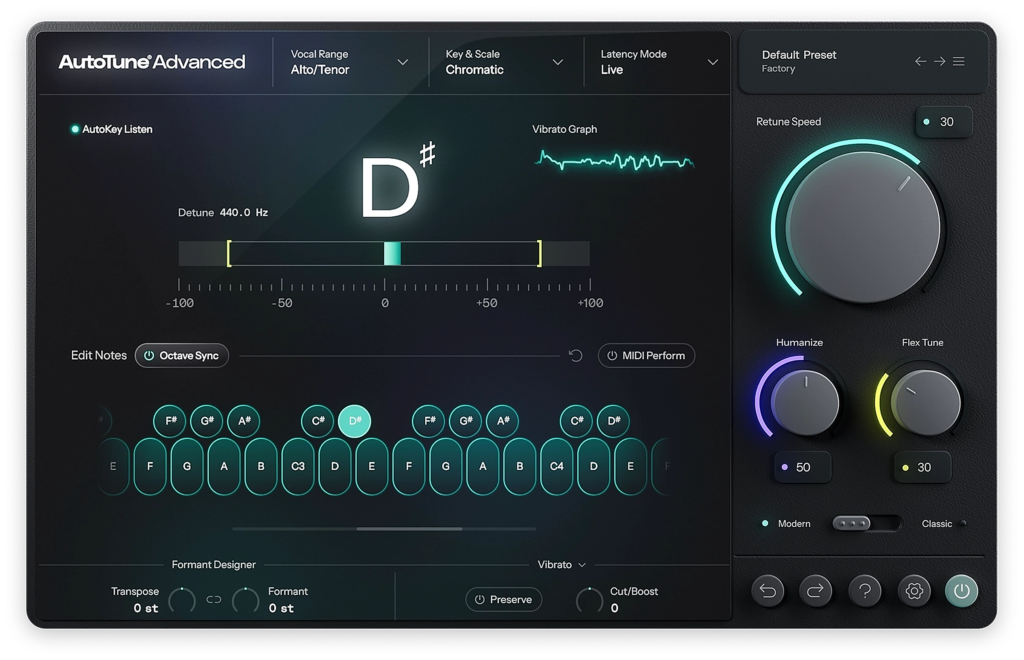
The main feature is the new DVA vibrato motor. Instead of treating every movement away from the center of a note as something that needs to be corrected, Antares says DVA can distinguish natural vibrato and expressive pitch movement from genuine errors. This is important because aggressive correction can easily flatten the character of a voice. AutoTune Advanced aims to narrow the tone without turning every performance into a straight, flat line.
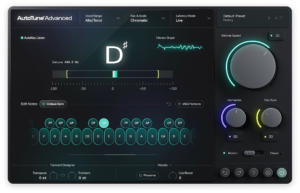
Live performers also get a useful upgrade. Live Latency mode operates below 1 ms, with support from 44.1 to 192 kHz, making real-time monitoring via AutoTune much more practical on stage or while recording. There’s also a new Vibrato FX section with real-time display, an updated Formant Designer, and redesigned scale editing built around a 78-note visual keyboard.
AutoTune can still provide the unmistakable robotic effect when that is the goal. Let’s take trap music for example. The most interesting part is that Antares now seems equally focused on making pitch correction less obvious. That could give the next Lady Gaga or Taylor Swift, currently singing into a microphone in their bedroom, a fighting chance.