ⓘ Zdeněk Macháček via Unsplash
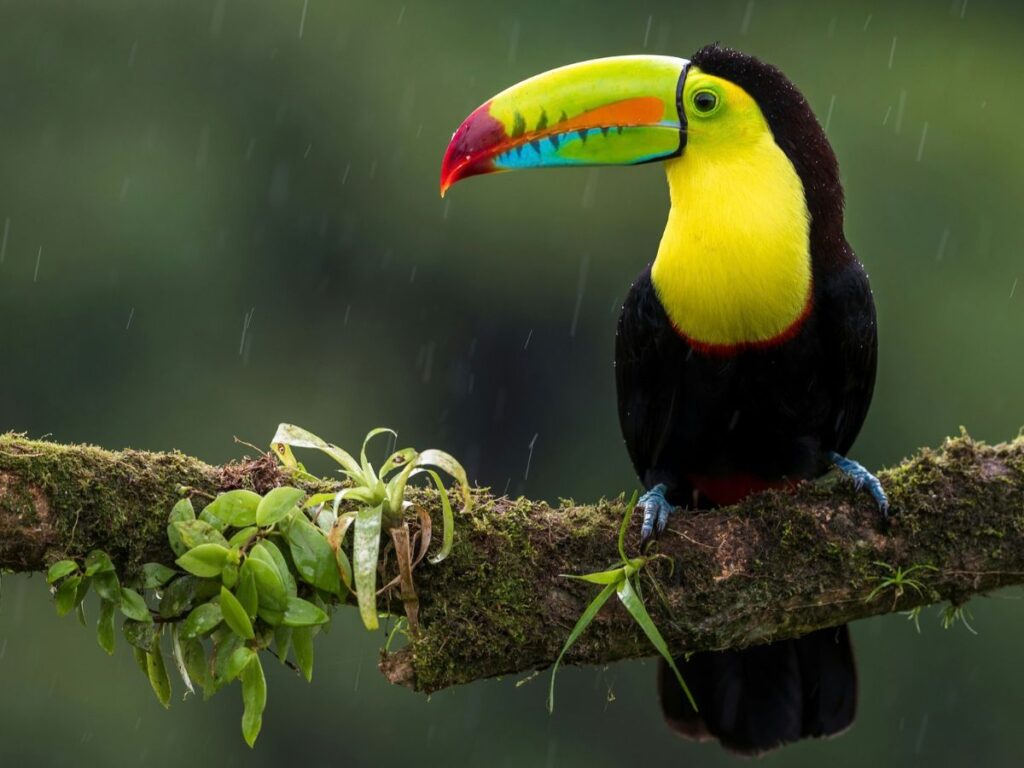
While female mammals typically outlive their male counterparts, a comprehensive new study reveals that the opposite is true for many bird species. Researchers at the University of California, Los Angeles, along with the Institute for Bird Populations, found that adult female songbirds have a survival rate about 12 percent lower than their counterparts.
The research team analyzed more than 563,000 catch-and-release records spanning 27 years and 92 North American species. Because most wild birds are captured only once, biologists rely on huge amounts of data from birds marked with leg bands to accurately calculate the lifespans of different species in their natural habitats. The data showed that across 35 distinct species, females survived an average of 1.36 years after reaching adulthood, compared to 1.61 years for males. Although a significant gap existed in only 35 of the 92 species, males lived longer in 82 of the species studied.
To understand this survival gap, scientists have studied the physical costs of reproduction, migration, and competition for resources. They found that the disparity in lifespan was more pronounced in species that migrate long distances, supporting the theory that female birds bear a heavier physical load during these strenuous journeys. The data also suggests that male social dominance, which allows males to control access to high-quality food and shelter, likely contributes to longer lifespans. Interestingly, the biological cost of egg production does not appear to be the main factor in early female mortality.
The researchers aim to investigate whether genetic differences play a role, as male birds carry two identical sex chromosomes while females have two different ones, the opposite of mammalian genetics. Understanding why female birds are dying younger is becoming increasingly urgent, as experts work to determine whether continued habitat destruction and climate change are disproportionately harming the females needed to sustain rapidly declining bird populations.
I have always been fascinated by technology and digital devices my entire life and even became addicted to them. I have always marveled at the complexity of even the simplest digital devices and systems around us. I have been writing and publishing articles online for about 6 years now, just a year ago I found myself lost in the wonder of the smartphones and laptops we have in our hands every day. I developed a passion for learning about new devices and the technologies that accompany them, and at one point I asked myself, “Why not get into writing technology articles?” Needless to say, I followed up on the idea, that’s obvious. I am an open minded individual who derives an endless amount of joy from researching and discovering new information, I believe there is so much to learn and such a short life to live, so I put my time to good use, learning new things. I’m a “bookworm” of the internet and digital devices. When I’m not writing, you’ll still find me on my devices, exploring and admiring the beauty of nature and creatures. I learn quickly and adapt quickly to changes, always looking forward to new adventures.