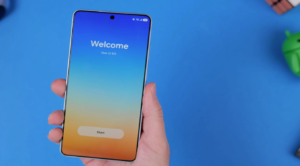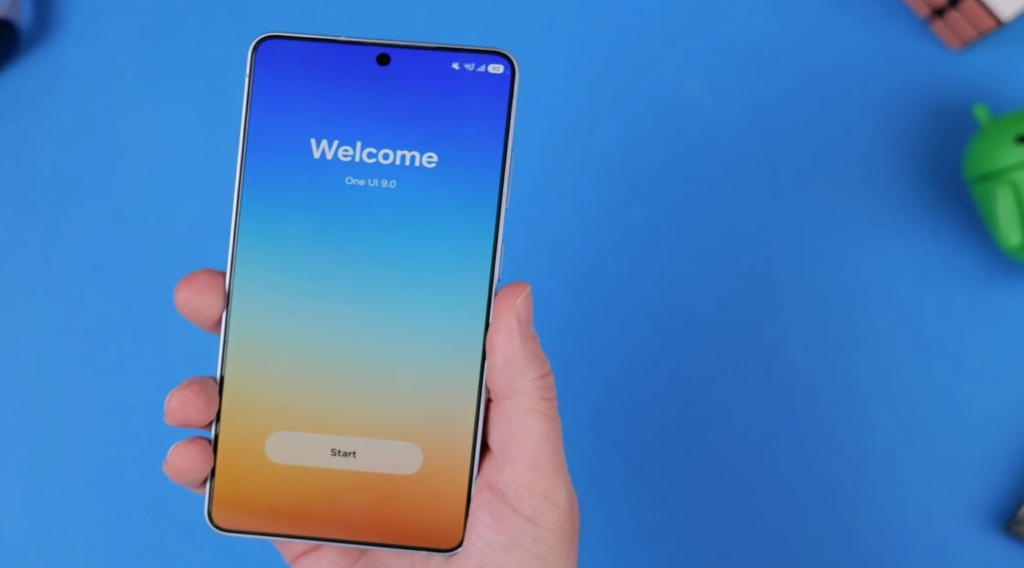
Samsung has officially expanded the stable rollout of One UI 9, its Android 17-based software update, beyond the foldables that launched with it earlier this year. As of today, Galaxy S26, S26+, and S26 Ultra owners are receiving the stable build directly, with Samsung confirming in an official newsroom post that the update will continue expanding to additional Galaxy devices in the coming weeks.
The Stable Rollout Officially Begins for Galaxy S26
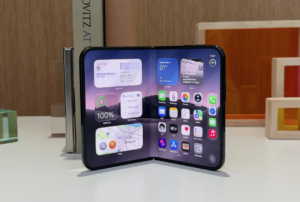
One UI 9 first debuted pre-installed on the Galaxy Z Fold 8, Z Fold 8 Ultra, and Z Flip 8 following their unveiling at Samsung’s Unpacked event in July, with the stable build reaching those foldables in the first week of August. The Galaxy S26 series, meanwhile, had been running One UI 9 in beta for roughly four months before today’s stable release — a notably long testing window that suggests Samsung wanted this particular update thoroughly vetted before pushing it to its highest-volume flagship line. Samsung has confirmed the update will now gradually extend to other Galaxy devices, without providing an exact device-by-device timeline just yet.
What One UI 9 Actually Changes
Beyond the underlying Android 17 platform changes, Samsung has layered in its own set of improvements specific to One UI 9. According to Samsung’s own description of the release, the update focuses heavily on creative utility tools, expanded customization options, a more accessible overall mobile experience, and stronger protection against cybersecurity threats. The company has also emphasized personalized daily summaries and streamlined device diagnostics as part of the broader package, positioning this release as more than a simple visual refresh.
My FanCam: The Standout New Feature
Among the specific additions, My FanCam has drawn particular attention. The feature automatically tracks a chosen subject within recorded video, keeping them centered in frame and dynamically reframing footage as they move — turning a static or shaky recording into an instantly shareable, social-media-ready clip without manual editing. It’s a clear response to how much casual video content gets recorded specifically for sharing on platforms like Instagram and TikTok, where a subject staying properly framed throughout a clip has traditionally required either a tripod-mounted gimbal or careful manual cropping after the fact.
Privacy and On-Device AI Get a Bigger Role
Samsung is also leaning further into on-device AI processing as part of this update’s privacy push. Rather than routing sensitive personal data through cloud servers, several of One UI 9’s new context-aware features — including its Privacy Alerts system — are designed to process information locally on the device itself. That approach reflects a broader industry shift toward keeping AI-driven personalization features from becoming a privacy liability, particularly as phone-based assistants increasingly rely on deeper access to messages, photos, and daily usage patterns to function effectively.
Which Devices Are Confirmed So Far
As of today, the officially confirmed list of devices receiving the stable One UI 9 update includes the Galaxy Z Fold 8, Z Fold 8 Ultra, and Z Flip 8 — which shipped with it out of the box — along with the newly added Galaxy S26, S26+, and S26 Ultra. Samsung included a partial list of additional eligible devices in a footnote of its announcement, though the company itself has acknowledged this list isn’t exhaustive; notably, some expected models were missing from that initial footnote despite being widely anticipated to receive the update.
Which Devices Should Expect It Next
Based on Samsung’s typical rollout pattern and its established multi-year software support policy, the Galaxy S25 and S24 series are widely expected to be next in line, followed by the Galaxy S23 series. From there, Samsung’s broader Z-series foldables going back several generations, along with its premium Galaxy Tab S9, S10, and S11 tablet lines, are expected to receive the update later in the rollout. Mid-range A-series and M-series devices typically receive major Android updates last in Samsung’s rollout order, meaning those users should expect to wait considerably longer than flagship owners.
Why Some Older Galaxy Phones May Be Left Behind
Not every Galaxy device currently in circulation will necessarily receive One UI 9. Reports differ somewhat on exactly where Samsung’s cutoff falls, but devices like the Galaxy S22 series, Galaxy S21 FE, and Galaxy Z Fold 4 have been flagged in some rollout trackers as likely to miss out on this update, based on how many major OS versions remain under each device’s original update promise. Anyone with an older Galaxy device should check Samsung’s official software update policy for their specific model rather than assuming eligibility based on general patterns, since support windows vary depending on when a given device originally launched and which support tier it falls under.
How to Check for the Update on Your Device
For eligible devices, checking for One UI 9 availability is done the same way as any Samsung software update: open Settings, scroll down to Software update, and tap Download and install. Samsung typically rolls updates out in stages by region, with South Korea, parts of Europe, India, and the US generally receiving new software ahead of other markets, so seeing the update appear for a friend or online before it reaches your own device isn’t unusual. As with any major OS update, backing up important data beforehand through Samsung Cloud or a similar service is a reasonable precaution before installing.