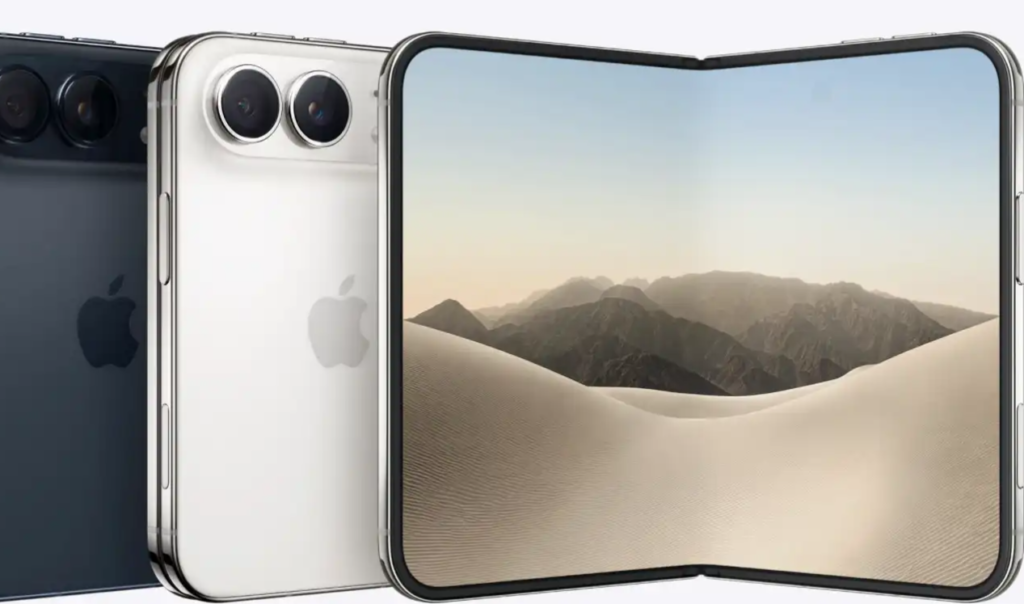
After years of patents, leaks, and speculation, Apple has finally entered the foldable phone category. The iPhone Duo — not the iPhone Ultra or iPhone Fold that rumors long predicted — was unveiled alongside the iPhone 18 Pro and Pro Max at Apple’s September event, and it arrives with a design philosophy built almost entirely around solving the problems that have plagued foldables since the category began: visible creases, bulky hinges, and clunky software. Here’s a complete breakdown of what the iPhone Duo actually is, what makes it different, and everything confirmed so far.
What the iPhone Duo Actually Is
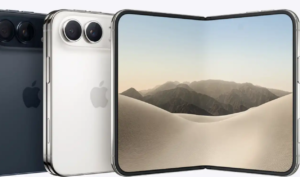
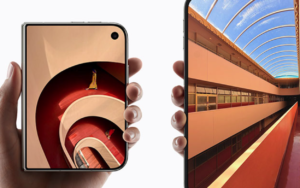
The iPhone Duo is Apple’s first foldable device, built around a single larger-format design rather than the book-style or clamshell approaches other manufacturers have used. Unfolded, it features a 7.6-inch inner display that functions closer to a small iPad than a traditional smartphone, useful for multitasking, gaming, or watching video on a bigger canvas. Folded shut, a 5.4-inch outer display handles quick, everyday tasks without needing to open the device at all. Apple has designed both displays to share the same aspect ratio, meaning apps shouldn’t need to be relearned or reformatted when switching between the two screen sizes.
Opened, Apple claims the iPhone Duo is the thinnest iPhone ever made — a genuinely notable engineering claim, given how much internal space a foldable hinge, dual batteries, and two separate displays typically require compared to a standard phone chassis.
Design and Build Quality
Both the inner and outer displays use a nano-texture finish designed to cut down on glare, which matters more here than on a typical iPhone since the larger inner screen is likely to see heavier outdoor use for browsing, reading, and video. The frame is built from polished titanium, matching the material Apple uses across its current Pro-tier lineup. Folded, the outer display reportedly delivers around 90 percent of the usable screen area found on the standard iPhone 18 Pro, letting the Duo remain genuinely pocketable despite packing a much larger unfolded display inside.
This dual-display approach puts the iPhone Duo in a different lane than most Android foldables, which tend to lean either phone-first (like Samsung’s Z Flip) or tablet-first (like the standard Galaxy Z Fold). Apple’s version tries to split the difference, betting that most buyers want something that works well in both states rather than optimizing heavily for just one.
The Crease Question: Has Apple Actually Solved It?
The crease running down the center of a folded display has been the defining flaw of every foldable phone released to date, including Samsung’s most recent Galaxy Z Fold models, which reviewers still describe as visibly creased even after years of hinge refinement. Ahead of launch, reports pointed to Apple licensing crease-reduction display technology directly from Samsung Display, built around a metal support plate that distributes folding stress more evenly across the panel than previous hinge designs have managed.
Whether Apple has actually eliminated the crease — rather than just minimized it — is the single biggest open question surrounding this launch. It’s also the kind of claim that’s difficult to fully verify from a keynote stage; creases on rival devices have historically become more noticeable over time and repeated folding rather than less, so early hands-on impressions and long-term reviews will matter more here than almost any other spec.
Performance and Foldable-Specific Software
The iPhone Duo runs on Apple’s A20 chip and ships with iOS 27, adapted specifically for the foldable form factor rather than simply stretching the standard iPhone interface across a larger display. Split View allows two apps to run side-by-side on the bigger inner screen, while app pairing lets users save frequently used two-app combinations for quick access later. The Dynamic Island and status bar automatically adapt between the folded and unfolded display sizes.
A new Flex Window mode lets the device operate in a partially folded, tent-like position — useful for propping the phone up hands-free during video calls or media playback — while StandBy mode turns the device into a docked widget hub, digital photo frame, or clock while charging. Siri AI and the broader Apple Intelligence feature set carry over from the iPhone 18 Pro lineup, though as with those models, some AI features won’t be available at launch in the EU or China due to ongoing regulatory considerations in those regions.
Camera System: A Clear Trade-off Compared to the Pro Lineup
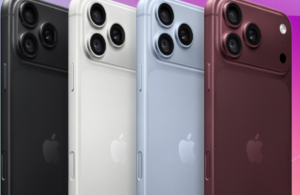
Unlike the iPhone 18 Pro’s three-lens setup, the iPhone Duo ships with a simpler two-camera system: a 48MP main sensor and an ultrawide lens, with no telephoto camera included at all. That’s a meaningful compromise for a device starting at $1,999, and it suggests Apple prioritized fitting the camera hardware into an already tight, foldable-friendly chassis over matching the Pro lineup’s full photography capabilities. Anyone buying the Duo specifically for its camera system, rather than its form factor, should temper expectations compared to the iPhone 18 Pro Max.
Touch ID Returns, and Apple Pencil Support Arrives
In another first for a modern iPhone, Touch ID makes a return, integrated directly into the device’s side power button rather than relying solely on Face ID. That’s a practical concession to the foldable design, where using Face ID consistently across two different folding states and camera placements would likely be harder to execute reliably. The iPhone Duo also supports the USB-C Apple Pencil, opening the door to note-taking, sketching, and more precise input on the larger inner display — a capability no previous iPhone has offered, and one clearly aimed at creative professionals and productivity-focused buyers.
Price and Release Date
The iPhone Duo starts at $1,999 for the 256GB configuration, climbing to $3,199 for the top-tier 2TB model. Pre-orders open October 16, with the device shipping starting October 23 — notably later than the standard iPhone 18 Pro lineup, giving Apple extra runway to fine-tune production before the foldable reaches customers. At nearly double the price of the standard iPhone 18 Pro, the Duo positions itself as a premium, aspirational device rather than a mainstream upgrade path, similar to how Samsung has long priced its own Fold lineup.
How the iPhone Duo Compares to Samsung’s Galaxy Z Fold
Samsung has had roughly seven years and multiple hardware generations to refine its foldable formula, and its most recent Galaxy Z Fold models still carry a visible — if increasingly subtle — crease along the hinge line. Apple’s pitch with the iPhone Duo is that its licensed display technology and later market entry let it skip several generations of trial and error that Samsung and other Android foldable makers had to work through publicly. Price-wise, the two sit in a similar bracket, with Apple’s top-tier storage configuration pushing meaningfully higher than Samsung’s typical range. The bigger differentiator will likely come down to software polish and app optimization for the larger display, an area where Apple has historically taken longer to mature but has also tended to execute more consistently once it commits.
Is the iPhone Duo Worth Buying?
Apple is making bold claims: the thinnest iPhone ever, a crease-free display, and foldable-specific software built from the ground up rather than adapted after the fact. If those claims hold up under real-world testing, the iPhone Duo could reset expectations for what a premium foldable should look and feel like. But the trade-offs are real — a missing telephoto lens, a starting price nearly double the standard flagship, and unresolved questions about long-term hinge durability. For most people, the sensible move is waiting for independent reviews after the October 23 launch before deciding whether the format, and the price that comes with it, is worth it. For early adopters and creative professionals drawn specifically to the larger canvas and Apple Pencil support, it’s already shaping up to be the most interesting new iPhone category in years.