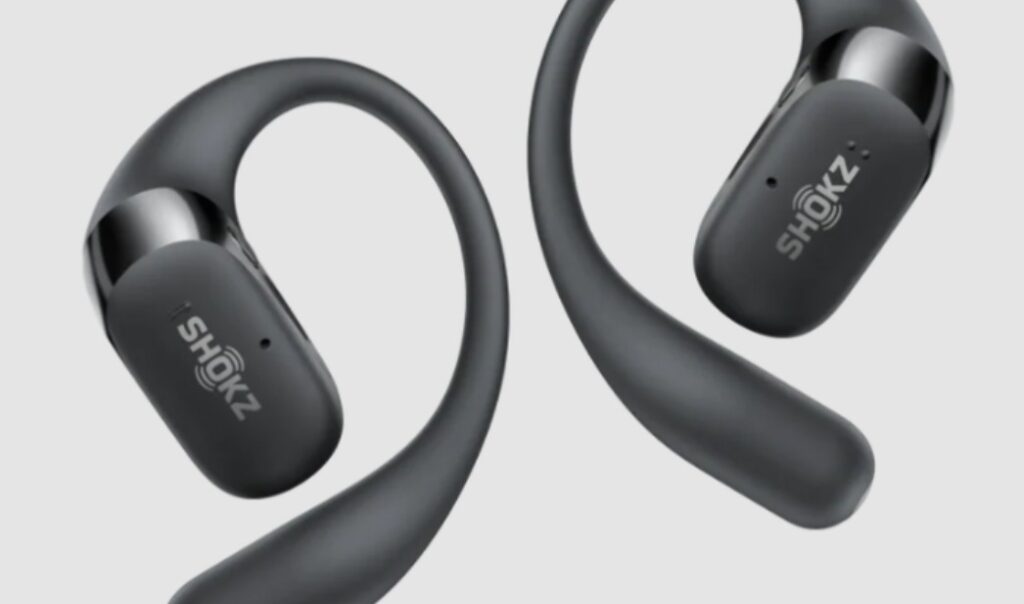
The wireless earbuds market just hit a milestone nobody in the industry wanted: its first year-over-year decline in three years. But buried inside that overall slowdown is a genuinely striking bright spot — open wireless stereo earbuds, the clip-on and ear-hook style devices that leave your ear canal open, grew by double digits during the very same quarter. New data from research firm Omdia lays out exactly what’s driving both trends at once.
The Headline Number: TWS Shipments Post Their First Decline Since 2023
Global true wireless stereo shipments fell 0.7 percent year-over-year to 82.1 million units in the second quarter of 2026, according to Omdia’s latest market tracking. That might sound like a minor dip, but it’s a meaningful inflection point: it marks the category’s first annual decline since the second quarter of 2023, ending a multi-year run of consistent growth for conventional wireless earbuds.
Why China’s Slowdown Is Dragging the Whole Market Down
The overall decline traces back largely to a single market. Mainland China, still the world’s largest TWS market by volume, saw shipments fall 9.5 percent during the quarter. Omdia attributes that drop to two compounding factors: the fading boost from earlier consumer electronics stimulus programs, and replacement demand that had already been pulled forward into 2025 rather than occurring naturally this year. The US and India also posted declines during the quarter, though growth in various emerging markets helped partially offset the losses from these larger, more mature markets.
OWS: The One Bright Spot Growing at 12%
While conventional TWS earbuds — the standard in-ear and semi-in-ear designs most people picture when they think of wireless earbuds — declined 2 percent during the quarter, open wireless stereo shipments grew 12 percent to 11.1 million units. That growth pushed OWS’s share of the total TWS market up to 13.5 percent, from 12 percent just a year earlier. In an otherwise cooling category, OWS is quietly becoming one of the only parts of the wireless audio market still expanding at a meaningful pace.
Clip-Ons vs. Ear-Hooks: How Open-Ear Designs Break Down
Within the OWS category itself, clip-on designs are clearly leading the way, accounting for 61 percent of total OWS shipments during the quarter. Omdia points to growing consumer interest in clip-on earbuds serving double duty as both audio devices and fashion accessories, a positioning that’s helped them break out of a purely functional, fitness-oriented niche. Ear-hook models made up the remaining 39 percent of shipments, with their more secure physical fit continuing to appeal specifically to buyers using them during sports and other active scenarios where a clip-on design might not stay as reliably in place.
The Real Growth Story Is at the Extremes of Pricing
Look closer at pricing tiers, and the OWS growth story gets even more specific. The entry-level segment priced under $50 grew a striking 323 percent year-over-year, driven by budget-focused vendors including Sanag, Baseus, and QCY. At the same time, the $100-to-$199 price band grew 253 percent, powered primarily by more established brands like Huawei, Shokz, and OPPO. That pattern — explosive growth concentrated at both the cheap end and the upper-mid tier, rather than evenly across the market — suggests OWS is simultaneously pulling in budget-conscious first-time buyers and more discerning customers willing to pay for established brand quality, while the middle ground in between remains comparatively less competitive.
Which Brands Are Actually Winning Right Now
Zooming out to the overall TWS market, Apple remains firmly in the lead, shipping 16.8 million units during the quarter — a 1.2 percent increase year-over-year that let the company outperform the broader market’s decline. That gave Apple a commanding 20.5 percent share of the total TWS market, nearly double second-place Xiaomi’s 10.4 percent. Samsung came in third at 6.7 percent, followed by Huawei at 6.2 percent and OPPO at 5.0 percent. Notably, OPPO was the only other vendor in the top five besides Apple to actually grow shipments during the quarter, posting a 14.9 percent year-over-year increase that includes devices sold under its OnePlus sub-brand.
Why Open-Ear Design Is Catching On
According to Omdia research analyst Claire Qin, the OWS category benefits from a relatively low barrier to entry, while sound quality remains the key differentiator separating serious competitors from budget also-rans — a dynamic that’s opened the door for a genuinely broad mix of vendors to compete simultaneously. Qin also points to OWS becoming an increasingly important area for new feature development, particularly around longer comfortable listening sessions and AI-enabled functionality suited to a wider range of everyday use cases than earbuds that fully seal off the ear canal.
What Omdia Expects Through 2030
Omdia’s longer-term forecast suggests this isn’t a temporary blip. The firm projects annual OWS shipments will climb from 43.9 million units in 2026 to 90.5 million units by 2030, at which point open wireless stereo devices would account for nearly one in every five TWS shipments worldwide. If that trajectory holds, the wireless earbuds market’s current growth story may end up being remembered less for its overall slowdown, and more for the moment open-ear designs began meaningfully reshaping how people choose to listen.